
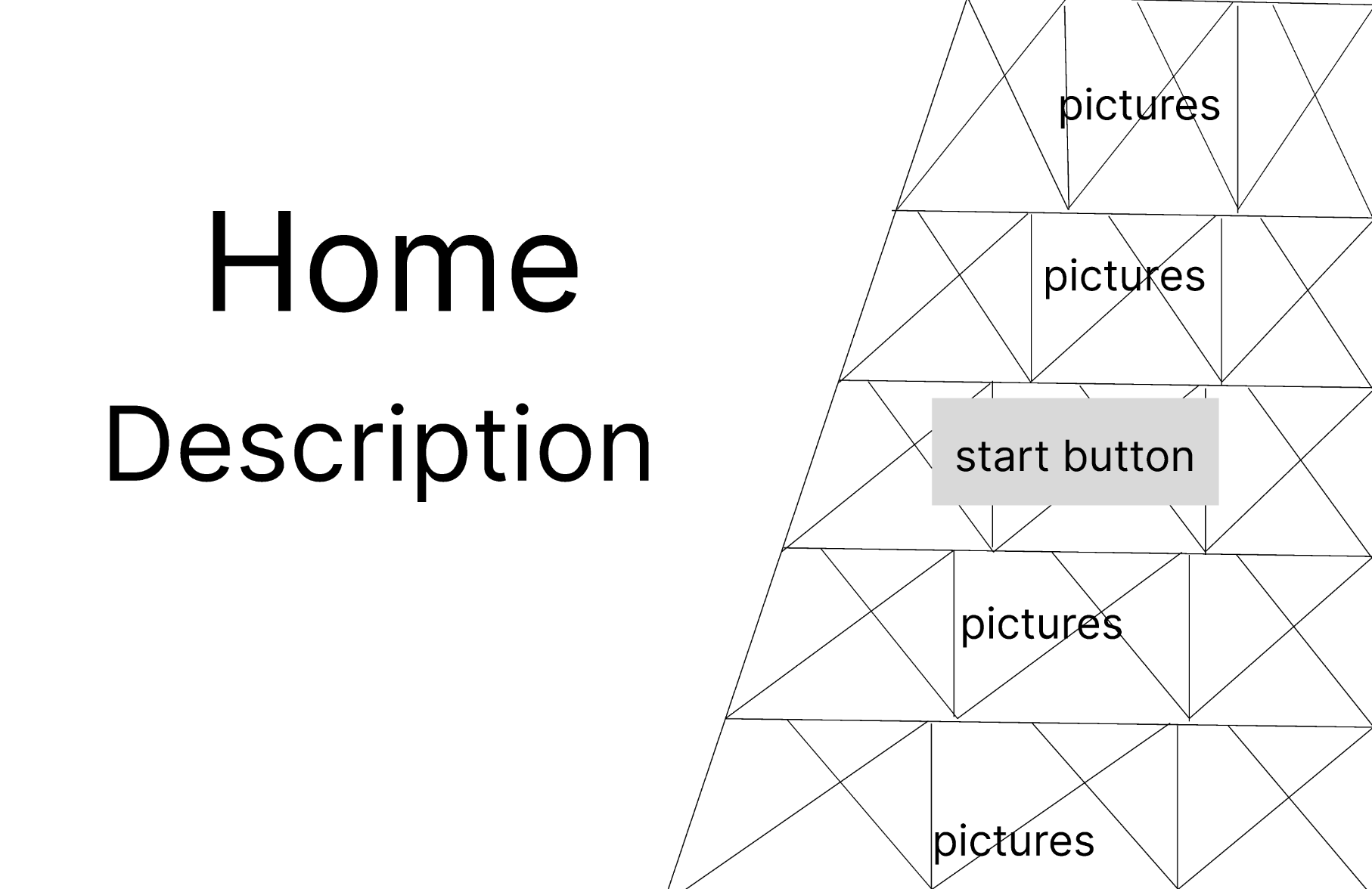
Prototypes play a crucial role in the design process, serving as tangible representations of ideas. They demonstrate how a product will look and function, providing valuable insights into user interaction and design effectiveness. For our recent project, we developed prototypes of our nutrition generator website, a step that was pivotal in allowing us to experiment with layout options, user interface designs, and interactive features. Through this iterative process, we gained invaluable insights that directly influenced the final version of the website, ensuring it is both functional and visually appealing.

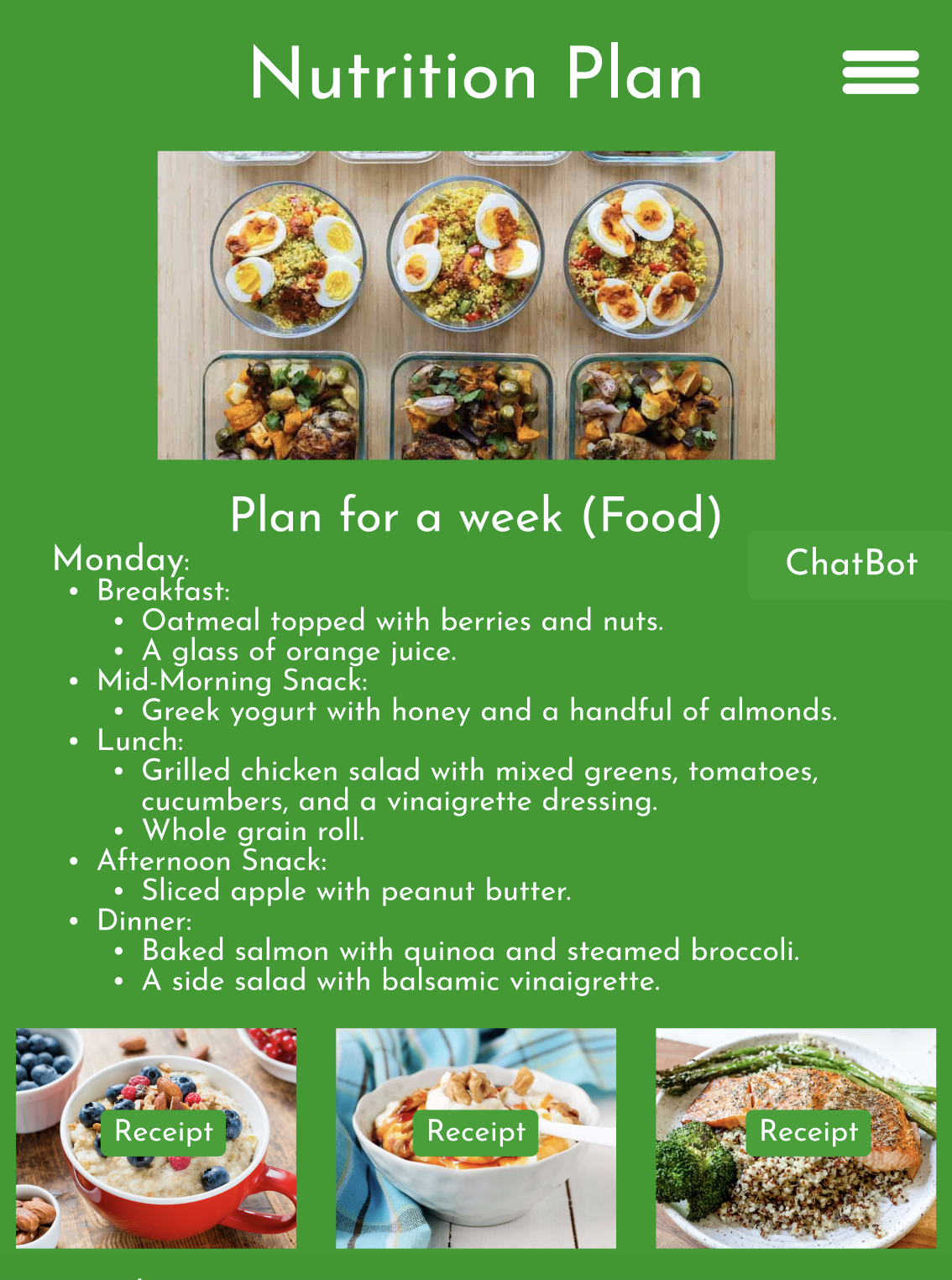
Our team crafted user-centric prototypes using Figma, focusing on learning outcomes that guided our work. Through collaborative brainstorming sessions, we conceptualized innovative features such as personalized meal suggestions, grounded in emerging design trends and user-centered principles. Visual elements and layout structures were carefully selected to ensure both aesthetic appeal and usability, directly addressing LO1 by translating engaging concepts into interactive, validated media products.
The creative process was highly iterative, involving multiple cycles of design, testing, and feedback, embodying LO3. Initially, we created low-fidelity wireframes that laid out the basic structure and user flow of the website. Each iteration was reviewed and critiqued by team members, leading to successive refinements. These iterations were essential not only for enhancing the aesthetic appeal but also for improving usability and ensuring the functionality met user needs and expectations. The connections between each iteration were clearly presented, showcasing our methodically substantiated, iterative design and development process.
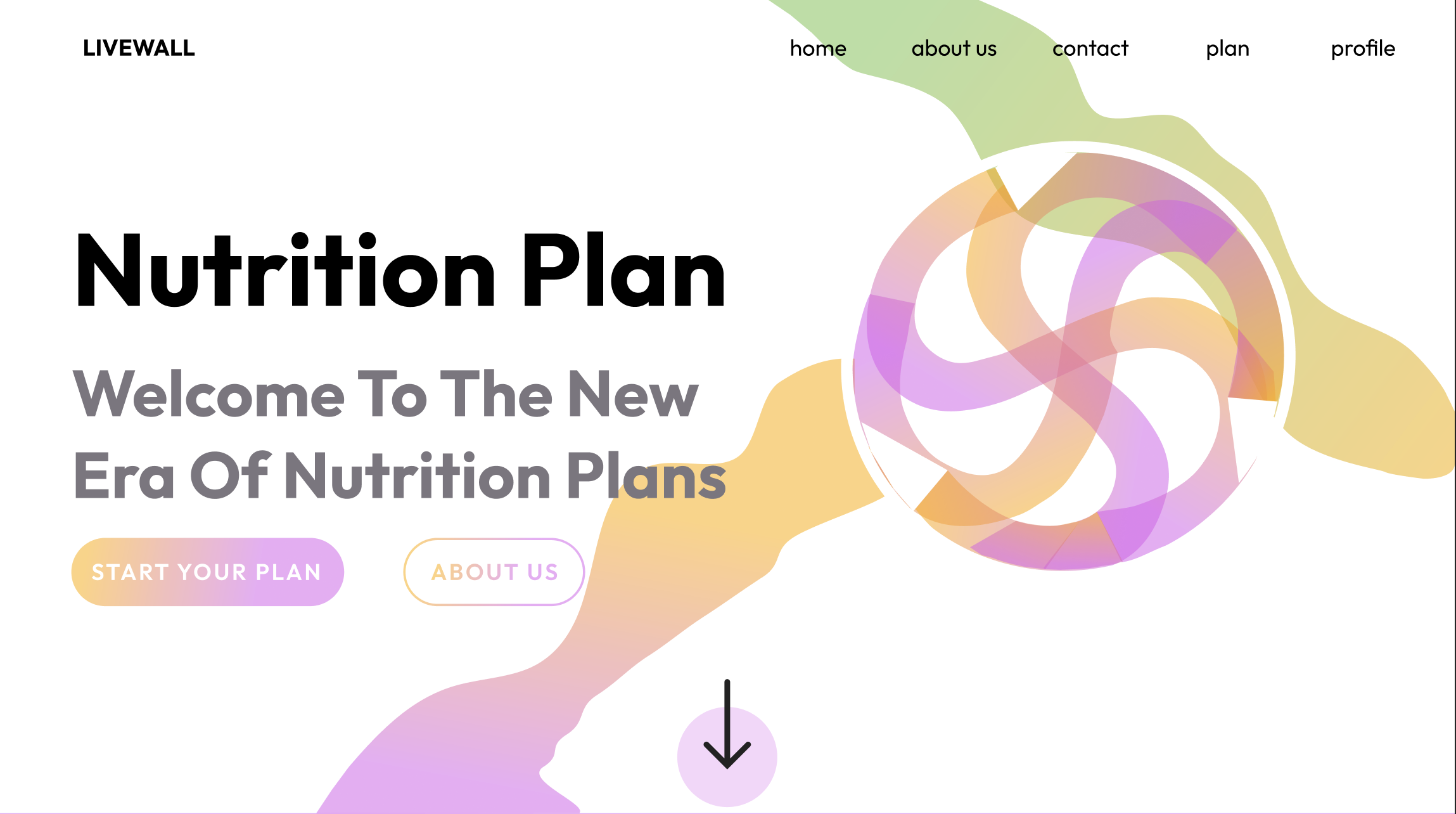
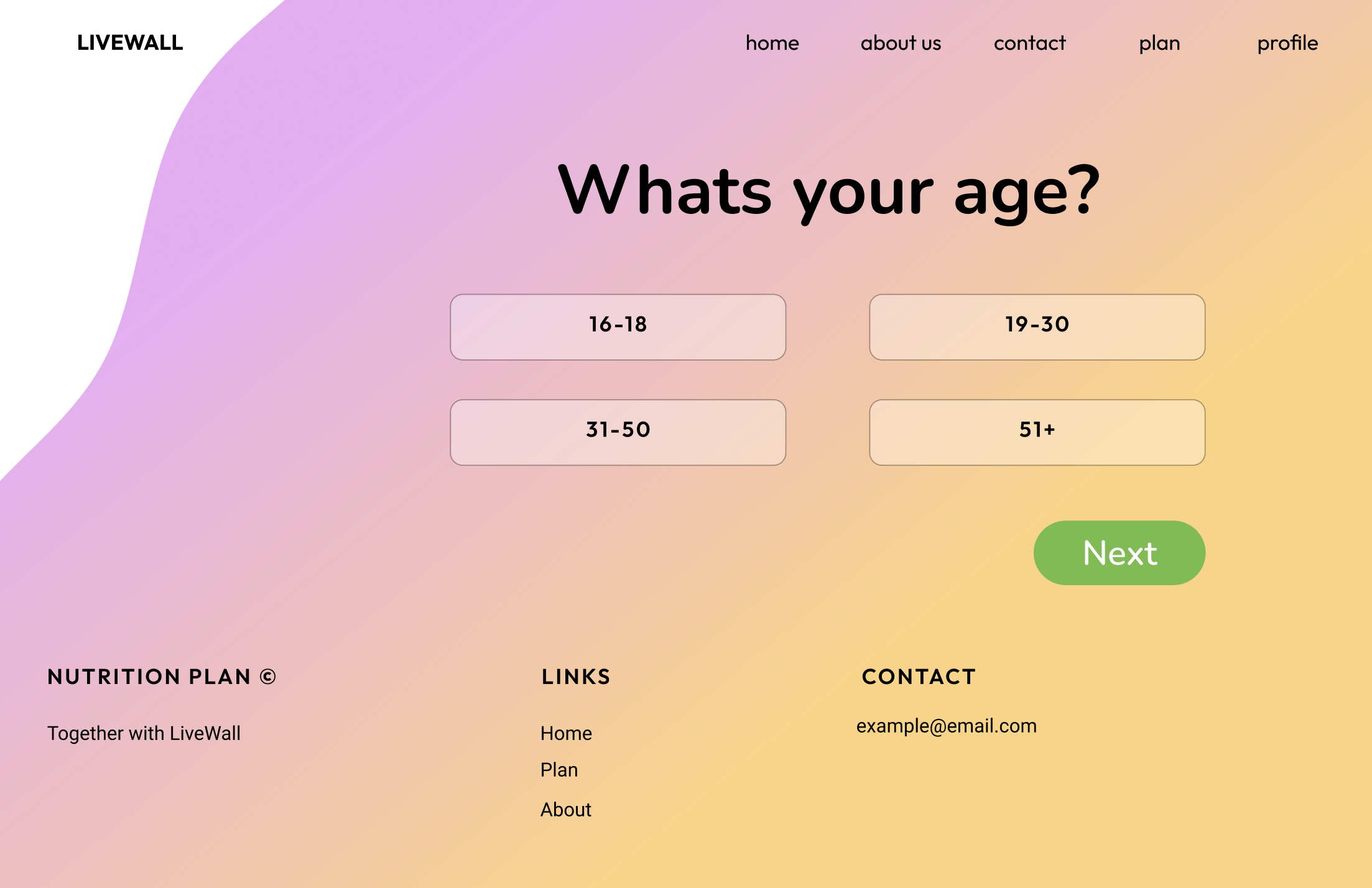
Additionally, we applied professional standards (LO4) throughout the project. Both individually and in teams, we utilized relevant methodological approaches to formulate project goals, involve stakeholders, conduct applied research, provide advice, make decisions, and deliver reports. We maintained a focus on ethical, intercultural, and sustainable aspects, ensuring our work was aligned with industry standards and best practices.
In summary, our prototype development process integrated crucial learning outcomes, enhancing the design and functionality of our nutrition generator website. By applying user-centered design principles, engaging in creative iterations, and adhering to professional standards, we ensured that our final product was both innovative and user-friendly.
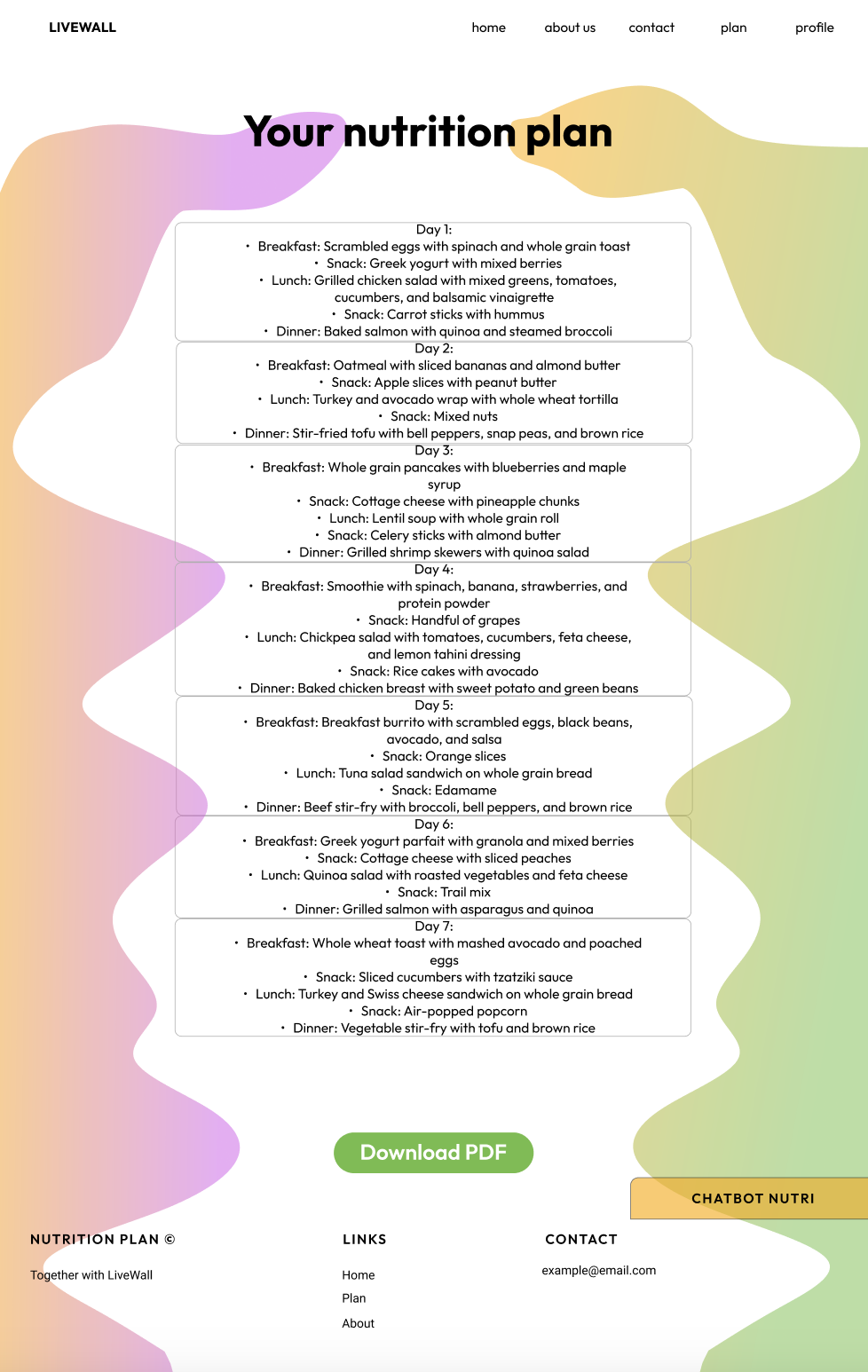
If you wish to check out every iteration of our prototypes you can click here.